EV Charger Installation in Peabody, MA
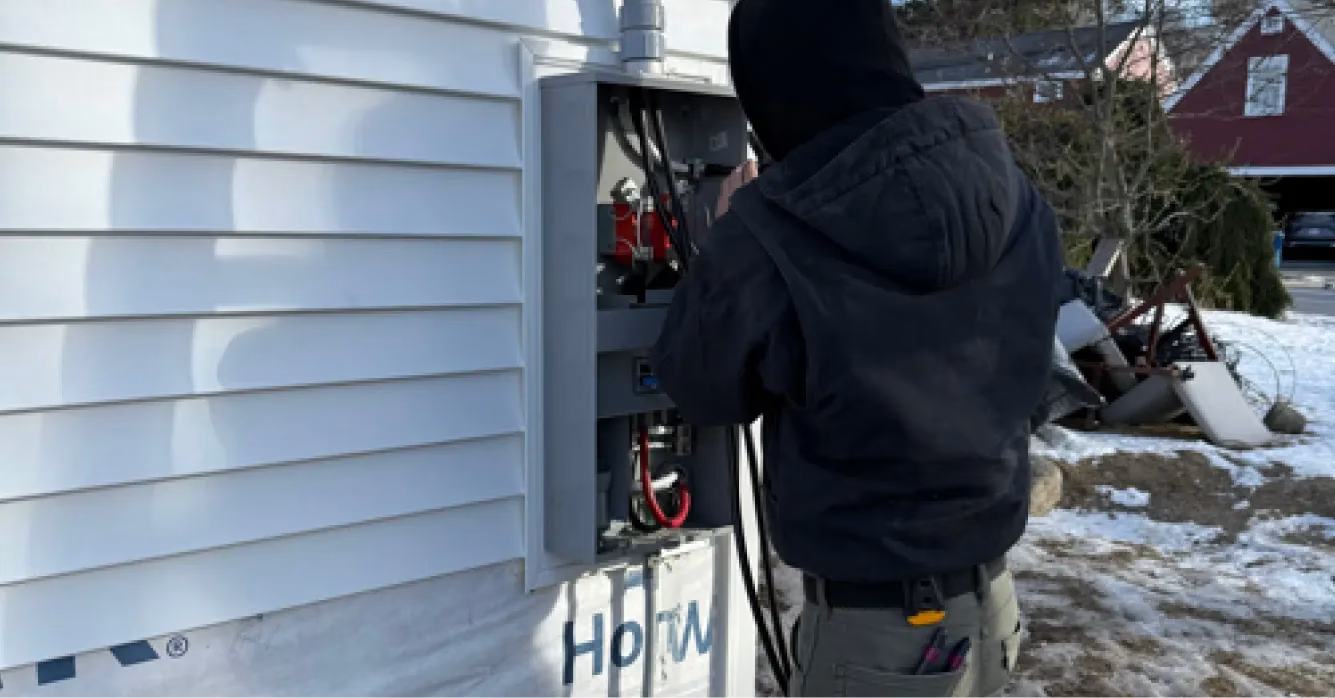
Charging your electric vehicle at home or at your business can make everyday charging more convenient. MTS Electrical Contracting provides EV charger installation in Peabody, MA, helping property owners plan charging solutions that fit their vehicles, electrical systems, and charging needs. Whether you want a home charging station, a Level 2 charger, a Tesla Wall Connector, or commercial EV charging equipment, the installation should begin with an evaluation of your property’s electrical capacity and installation requirements.
Our team can help assess your existing electrical setup, identify potential upgrades, and plan the electrical work needed for your charging station.
Home EV Charger Installation
A home EV charger gives you a convenient place to charge your vehicle when it is parked at your house. The right installation depends on your vehicle, daily driving habits, available parking space, and existing electrical system.
Home charging options can vary in charging speed, equipment requirements, and installation complexity. A standard household outlet may work for some charging needs, while many EV owners choose a dedicated Level 2 charging station for faster charging.
Home EV charger installation may involve:
-
Evaluating your existing electrical panel and service
-
Selecting a suitable charger location
-
Determining the required circuit and electrical capacity
-
Planning the wiring route and mounting arrangement
-
Reviewing applicable permit and inspection requirements
If you are also planning other electrical improvements, our Electrical Panel and Service Upgrades service may be relevant.
Level 2 EV Charger Installation
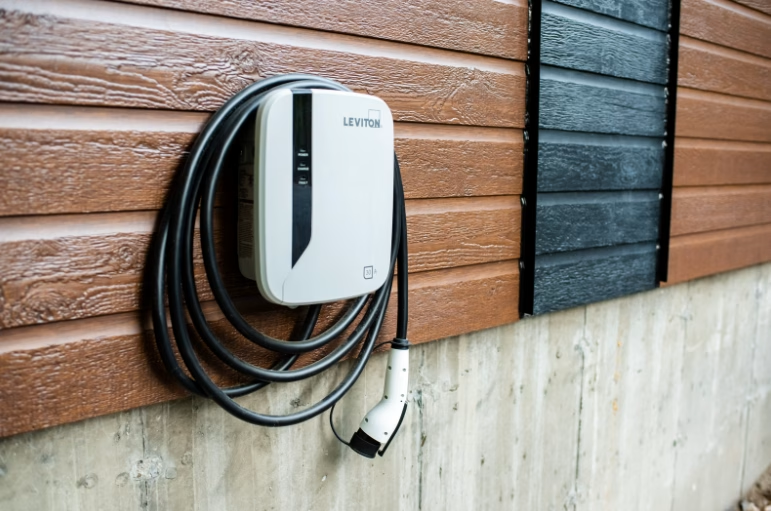
Level 2 chargers use a 240-volt electrical supply and can charge many electric vehicles faster than standard Level 1 charging. They are a popular option for residential garages, driveways, workplaces, and other locations where vehicles remain parked for extended periods.
The charging speed you receive depends on factors such as the vehicle’s onboard charger, the charging station’s output, and the available electrical capacity.
Installing a Level 2 charger generally requires an appropriate circuit and wiring arrangement. Depending on the equipment and property, the installation may use a hardwired connection or a suitable receptacle.
Before installation, the electrical system should be evaluated to confirm that it can support the proposed charging load. If the existing panel has limited capacity, additional electrical work may be needed.
Tesla Wall Connector Installation
The Tesla Wall Connector is a home and property charging option designed for compatible Tesla vehicles and other supported vehicles, depending on the model and configuration. Professional installation helps ensure the charger is positioned appropriately and connected according to the manufacturer’s requirements and applicable electrical codes.
A Tesla Wall Connector installation may involve:
-
Choosing a suitable wall or mounting location
-
Evaluating the electrical panel and available capacity
-
Planning the circuit and wiring route
-
Installing and connecting the charging equipment
-
Checking the completed installation and required settings
The appropriate circuit rating, wiring, and installation method depend on the specific Wall Connector model, its configuration, and the property’s electrical system.
If you own a Tesla or another compatible EV, MTS Electrical Contracting can help evaluate the installation requirements for your charging location.
Commercial EV Charging Installation
Businesses and commercial property owners may benefit from providing EV charging for employees, customers, tenants, or fleet vehicles. The right charging setup depends on how many vehicles need to charge, how long they typically remain parked, and the electrical capacity available at the property.
Commercial EV charging projects may include charging stations for:
-
Office buildings and workplaces
-
Retail and customer parking areas
-
Apartment and condominium properties
-
Commercial parking facilities
-
Business vehicle and fleet parking areas
Planning a commercial installation involves more than selecting charging equipment. Electrical capacity, circuit distribution, charger placement, parking arrangements, accessibility, and future expansion should all be considered.
For larger projects, the existing electrical service may need to be evaluated to determine whether upgrades or additional distribution equipment are necessary. Our Commercial Electrical Services page provides more information about electrical work for business properties.
Electrical Panel Capacity Evaluation
EV chargers add electrical load to a property’s existing system. Before installing a charger, the available capacity should be evaluated to determine whether the electrical service and panel can support the additional demand.
The assessment may consider:
-
Existing electrical service and panel ratings
-
Current household or commercial electrical loads
-
The proposed charger’s electrical requirements
-
Available circuit space and equipment condition
-
Other planned electrical additions
-
Whether a panel or service upgrade may be appropriate
A property does not automatically need a panel upgrade to install an EV charger. The decision depends on the existing electrical system, calculated load, and installation requirements.
If additional capacity is needed, possible solutions may include changes to the charging setup, an appropriate load-management arrangement, or an electrical panel or service upgrade. The suitable option must be determined for the specific property.
Learn more about our Electrical Panel and Service Upgrades service.
Our EV Charger Installation Process
1. Discuss Your Charging Needs
We start by understanding your vehicle, preferred charging equipment, parking location, and expected charging needs. This helps establish the project’s requirements.
2. Evaluate the Electrical System
The existing panel, service capacity, and proposed charging load are reviewed to determine whether the system can support the installation.
3. Plan the Charger Location
The charger location and wiring route are considered alongside parking access, mounting requirements, and the manufacturer’s installation instructions.
4. Determine the Required Electrical Work
The installation plan may include a dedicated circuit, wiring, protective devices, mounting, or other work depending on the equipment and property. Permits, utility coordination, and inspections may be required.
5. Install and Check the Charger
The charger is installed and connected according to the approved project scope and applicable requirements. The completed installation should be checked, and the equipment should be configured according to the manufacturer’s instructions.
EV Charger Installation in Peabody, MA
MTS Electrical Contracting helps property owners in Peabody, Massachusetts, plan EV charging installations that suit their electrical systems and charging needs. Whether you want a Level 2 charger in your garage, a Tesla Wall Connector at home, or charging equipment for a commercial property, an evaluation of the installation requirements is an important first step.
Every property has different electrical demands and installation conditions. We can help you understand the work involved and determine whether your current electrical setup is suitable for the proposed charger.
If your project also involves electrical remodeling or a home addition, visit our Electrical Remodeling and Additions service page.
Frequently Asked Questions
Do I need a Level 2 charger at home?
Not everyone needs a Level 2 charger. Level 1 charging may be sufficient for some drivers, while Level 2 charging can provide faster charging for people who drive frequently or want to recharge within a shorter parking period. Your vehicle and charging habits help determine the best option.
Can I install a Tesla Wall Connector at my house?
A Tesla Wall Connector can be installed where the electrical system, mounting location, and equipment requirements are suitable. The specific model and configuration should be checked before installation.
Will my electrical panel need an upgrade for an EV charger?
Not always. The existing service capacity, electrical loads, and proposed charger requirements determine whether an upgrade is needed. An electrical assessment can help identify the appropriate solution.
How long does EV charger installation take?
The time required depends on the charger type, wiring route, panel location, accessibility, and whether additional electrical work or approvals are necessary. The expected schedule can be discussed after the installation requirements are assessed.
Can you install EV chargers at commercial properties?
Commercial EV charging can be planned for workplaces, retail properties, apartment buildings, parking areas, and fleet facilities. The design depends on the property’s electrical capacity, the number of chargers, and how the charging stations will be used.
Does EV charger installation require a permit?
Permit and inspection requirements depend on the installation and applicable local regulations. The requirements should be confirmed before work begins.
Contact MTS Electrical Contracting
Ready to explore EV charger installation in Peabody, MA? Contact MTS Electrical Contracting to discuss home charging, Level 2 charging, Tesla Wall Connector installation, or commercial charging options.
Call (781) 633-0883 or visit our Contact Us page to discuss your project.
Let’s Find Out What’s Wrong
You don’t have to know the cause before asking for help. Tell MTS Electrical Contracting what you’ve noticed, where it happens, and how it’s affecting your home or business.
We’ll help you understand the problem and the work needed to move forward.