
Whole-House Rewiring in Peabody, MA

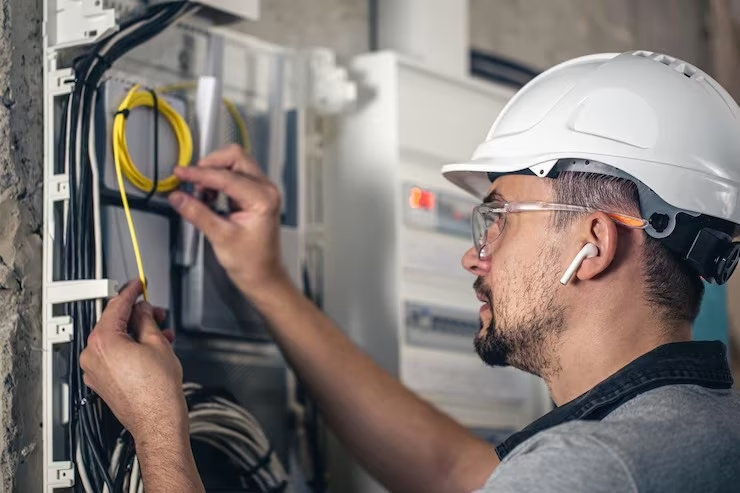
Your home’s electrical wiring plays an essential role in powering lights, outlets, appliances, and everyday equipment. As a house ages, its wiring may deteriorate, become unsuitable for modern electrical demands, or require updates to address safety concerns.
MTS Electrical Contracting provides whole-house rewiring services in Peabody, Massachusetts, for homeowners who need to replace outdated wiring, address electrical concerns, or improve an older home’s electrical system.
Depending on the property’s condition, the work may involve replacing wiring in selected areas or rewiring the entire house. We assess the project requirements and explain the options based on the existing installation, accessibility, and applicable electrical codes.
Concerned about your home’s old wiring? Contact MTS Electrical Contracting to discuss your rewiring needs.
When Does a Home Need Rewiring?
Older homes may have electrical systems that were designed for different appliances and usage patterns. Renovations, additional equipment, and changes in how rooms are used can also reveal limitations in an existing installation.
Rewiring may be worth considering if your home has:
-
Old or deteriorating electrical wiring
-
Repeated electrical problems affecting multiple areas
-
Damaged insulation or exposed conductors
-
Wiring that does not meet current requirements for planned renovations
-
An electrical system that needs substantial updating
-
Aluminum branch-circuit wiring that requires professional assessment
-
Wiring concerns identified during an electrical inspection
Other warning signs include frequently tripping breakers, discolored outlets, buzzing sounds, burning smells, or outlets and switches that feel unusually warm. These symptoms can have several causes and do not automatically mean the entire house needs rewiring.
If you notice a burning smell, smoke, sparking, or signs of overheating, stop using the affected equipment or circuit if it is safe to do so, keep away from the affected area, and seek qualified electrical assistance promptly.
An electrician can assess the wiring and determine whether a localized repair, partial rewiring, or a complete replacement is appropriate.
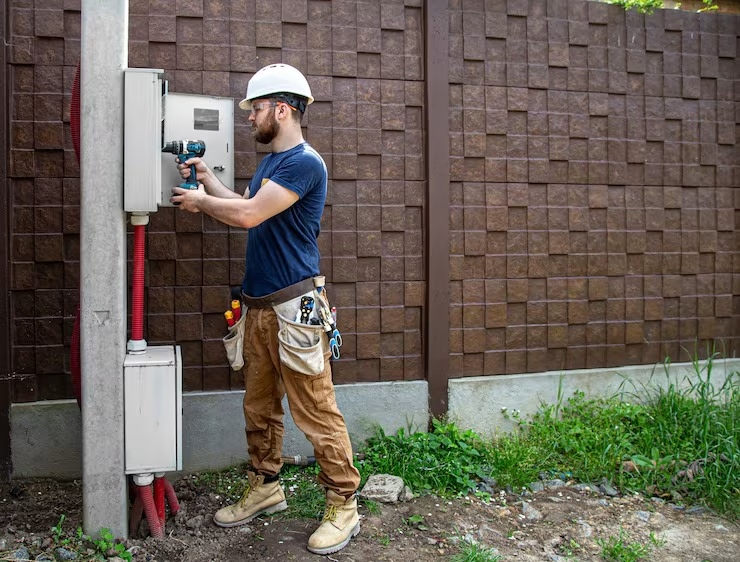
Partial Rewiring vs. Whole-House Rewiring
Not every home with old wiring needs a complete rewiring project. The right scope depends on the condition and type of the existing wiring, the location of the problems, the planned improvements, and applicable electrical requirements.
Partial Rewiring
Partial rewiring involves replacing or updating wiring in specific areas of the home rather than throughout the entire property.
This may be appropriate when the issue is limited to a particular room, circuit, or section of wiring and the remaining system has been assessed as suitable for continued use.
Partial rewiring may involve:
-
Replacing damaged wiring in selected areas
-
Updating wiring during a kitchen or bathroom renovation
-
Rewiring a basement, garage, or addition
-
Addressing specific circuit-related problems
-
Updating wiring needed for planned electrical improvements
The electrician must evaluate how the affected wiring connects to the rest of the electrical system. A localized replacement should not leave unresolved hazards or incompatible components elsewhere in the installation.
Whole-House Rewiring
Whole-house rewiring involves replacing wiring across most or all of the home’s electrical system, according to the project’s defined scope.
It may be considered when wiring is extensively deteriorated, widespread electrical problems exist, or major renovations provide an opportunity to update the system.
A whole-house project may include:
-
Replacing existing branch-circuit wiring
-
Updating wiring connections and electrical boxes as needed
-
Reviewing outlet and switch locations
-
Assessing circuit and panel requirements
-
Installing suitable wiring for planned electrical loads
-
Coordinating wiring work with wall and ceiling repairs
-
Testing the completed installation as required
The exact scope depends on the property’s layout, wiring type, accessibility, and condition. Whole-house rewiring does not automatically include replacing the electrical service or panel; those items should be assessed separately and included in the project scope when needed.
Aluminum Wiring Replacement and Assessment
Some homes built or renovated during periods when aluminum branch-circuit wiring was used may still have aluminum conductors serving certain outlets, switches, or other circuits.
Aluminum wiring is not automatically proof that a home is unsafe. However, certain aluminum wiring installations, particularly older branch-circuit systems, can present connection-related concerns if components are unsuitable, connections deteriorate, or installation requirements have not been followed.
If your home contains aluminum wiring, a qualified electrician can assess the type of wiring, the condition of connections, and the suitability of the installed devices and components.
Depending on the findings, options may include targeted repairs, approved connection methods, or replacement of affected wiring.
When Should Aluminum Wiring Be Replaced?
Replacement may be considered when the wiring is damaged, the installation has significant deficiencies, renovations require changes, or the homeowner wants to address an existing wiring system as part of a larger electrical upgrade.
The appropriate solution depends on the wiring type, condition, applicable requirements, and the recommendations of a qualified professional.
Do not attempt to connect copper and aluminum conductors directly or use ordinary connectors unless they are specifically approved for the materials and application. Improper connections can create overheating and fire risks.
MTS Electrical Contracting can discuss your home’s wiring concerns and help determine whether further assessment or replacement work is appropriate.
Our Whole-House Rewiring Process
1. Assess the Existing Wiring
We review the reported concerns, the home’s electrical layout, and the accessible wiring and components. The assessment helps establish whether the project involves selected areas or a broader replacement.
2. Determine the Project Scope
We discuss the areas to be rewired, existing electrical concerns, planned renovations, and any additional work that may be needed. Panel upgrades and other electrical improvements are considered separately when appropriate.
3. Plan the Wiring Installation
The wiring layout is planned around the home’s requirements, intended electrical loads, applicable code, and practical access to walls, ceilings, and other building areas.
4. Complete the Rewiring Work
The agreed wiring replacement is completed according to the project scope. Where access requires opening walls or ceilings, the extent of that work depends on the home’s construction and the installation method.
5. Test and Review the Installation
The completed electrical work is checked and tested as required. Any applicable permit and inspection requirements must also be addressed before the work is considered complete.
What Affects the Cost of Rewiring a House?
The cost of partial or whole-house rewiring varies because every property has different electrical requirements and access conditions.
Important factors include:
-
Size and layout: Larger homes may require more wiring, circuits, and installation time.
-
Age and condition: Damaged, deteriorated, or complicated existing wiring may require additional work.
-
Accessibility: Wiring access through finished walls and ceilings can affect labor and restoration needs.
-
Number of circuits: The required number and arrangement of circuits depend on the property’s electrical loads.
-
Electrical panel condition: A panel upgrade may be necessary if the existing equipment cannot support the planned work or does not meet applicable requirements.
-
Aluminum wiring concerns: The appropriate assessment, repair, or replacement method affects the scope.
-
Permits and inspections: Applicable local requirements may add project steps and costs.
-
Wall and ceiling repairs: Patching, painting, and other finish restoration may be separate from the electrical work.
A project estimate should reflect the actual property, the proposed scope, and any additional work identified during assessment.
Rewiring Older Homes in Peabody, MA
Older homes may have a combination of original wiring, later additions, and electrical modifications completed at different times. Before planning a major electrical update, it is important to understand which parts of the system need attention and how they work together.
MTS Electrical Contracting serves homeowners in Peabody and nearby communities. We can discuss wiring concerns, renovation plans, and options for updating an existing home’s electrical system.
If your rewiring project also requires an electrical panel assessment, explore our Electrical Panel and Service Upgrades service. For broader home improvements, visit our Electrical Remodeling and Additions page.
Frequently Asked Questions
How do I know if my house needs whole-house rewiring?
Signs such as deteriorating wiring, widespread electrical problems, or concerns identified during an inspection may indicate that rewiring should be considered. An electrician can assess the system and determine whether partial or complete rewiring is appropriate.
Is partial rewiring enough for an older home?
It can be sufficient when the problem is limited to specific areas and the remaining wiring is assessed as suitable for continued use. If concerns are widespread, a more extensive replacement may be recommended.
Is aluminum wiring dangerous?
Aluminum wiring is not automatically unsafe. Certain older installations can have connection-related risks, so the wiring type, connections, and installed components should be assessed by a qualified electrician.
Does all aluminum wiring need to be replaced?
Not necessarily. The appropriate response depends on the installation, wiring condition, applicable requirements, and professional assessment. Options may include approved repairs, suitable connection methods, or replacement.
Does whole-house rewiring include a new electrical panel?
Not automatically. Rewiring and panel replacement are separate parts of an electrical project. The panel should be evaluated to determine whether it can support the planned circuits and meets applicable requirements.
Will rewiring require opening walls?
Sometimes. The amount of access required depends on the home’s construction, the wiring route, and the installation method. Some projects may require openings in walls or ceilings, followed by separate finish restoration.
How long does whole-house rewiring take?
The timeline depends on the home’s size, accessibility, project scope, wiring condition, and coordination with other trades. An accurate schedule can be discussed after the property and required work have been assessed.
How much does whole-house rewiring cost in Peabody, MA?
Cost depends on the size of the home, wiring type, number of circuits, access, panel requirements, and any necessary repairs. Contact MTS Electrical Contracting to discuss the property and request an estimate.
Request Whole-House Rewiring Service
Updating old electrical wiring can help address existing problems and prepare your home for its electrical needs. Whether you need partial rewiring, a complete wiring replacement, or an assessment of aluminum wiring, MTS Electrical Contracting can discuss the appropriate next steps.
Let’s Plan Your Improved Space
Whether you’re updating a kitchen, adding a sunroom, or creating more room for your household, bring MTS Electrical Contracting into the conversation early.
We’ll help you plan electrical work that supports your ideas and makes the finished space easier to enjoy.